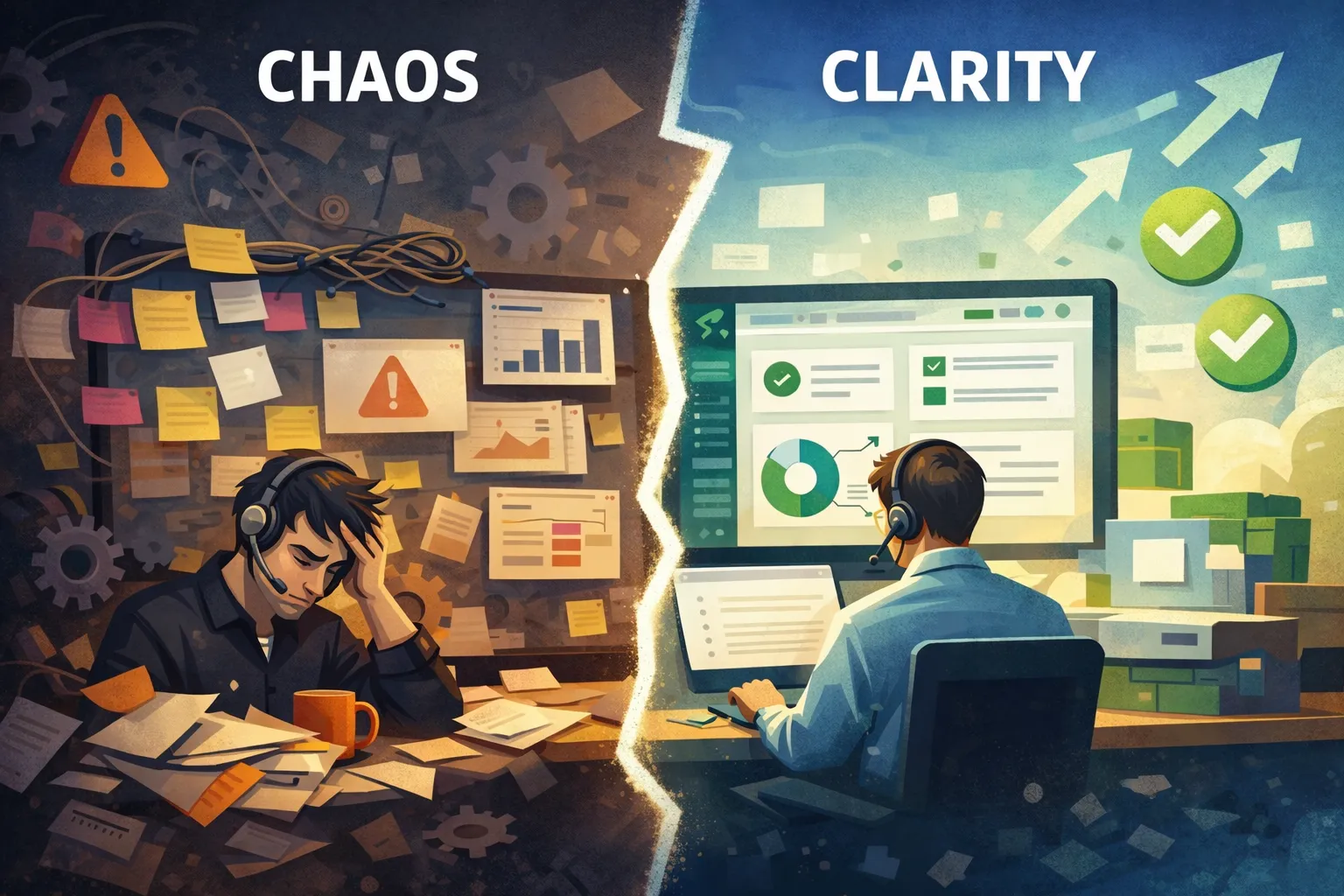
Most teams don’t plan to create a messy Zendesk instance. It just… happens.
It usually starts with growth. A new product launch. A spike in ticket volume. An additional support channel. A new team member who needs a quick fix to make something work.
A trigger gets added.
A custom field gets created “just in case.”
An automation is layered on top of another automation to fix an edge case.
Over time, what was once a clean system becomes complicated. Reporting doesn’t quite add up. Agents aren’t sure which form is correct. Leadership questions the numbers in dashboards. Confidence in the instance starts to erode.
This is the point where many teams realize: it’s not just a configuration problem, it’s an architectural one.
How Chaos Creeps In
Zendesk is incredibly flexible, which is both its greatest strength and its biggest risk. Without governance and intentional design, flexibility turns into fragmentation.
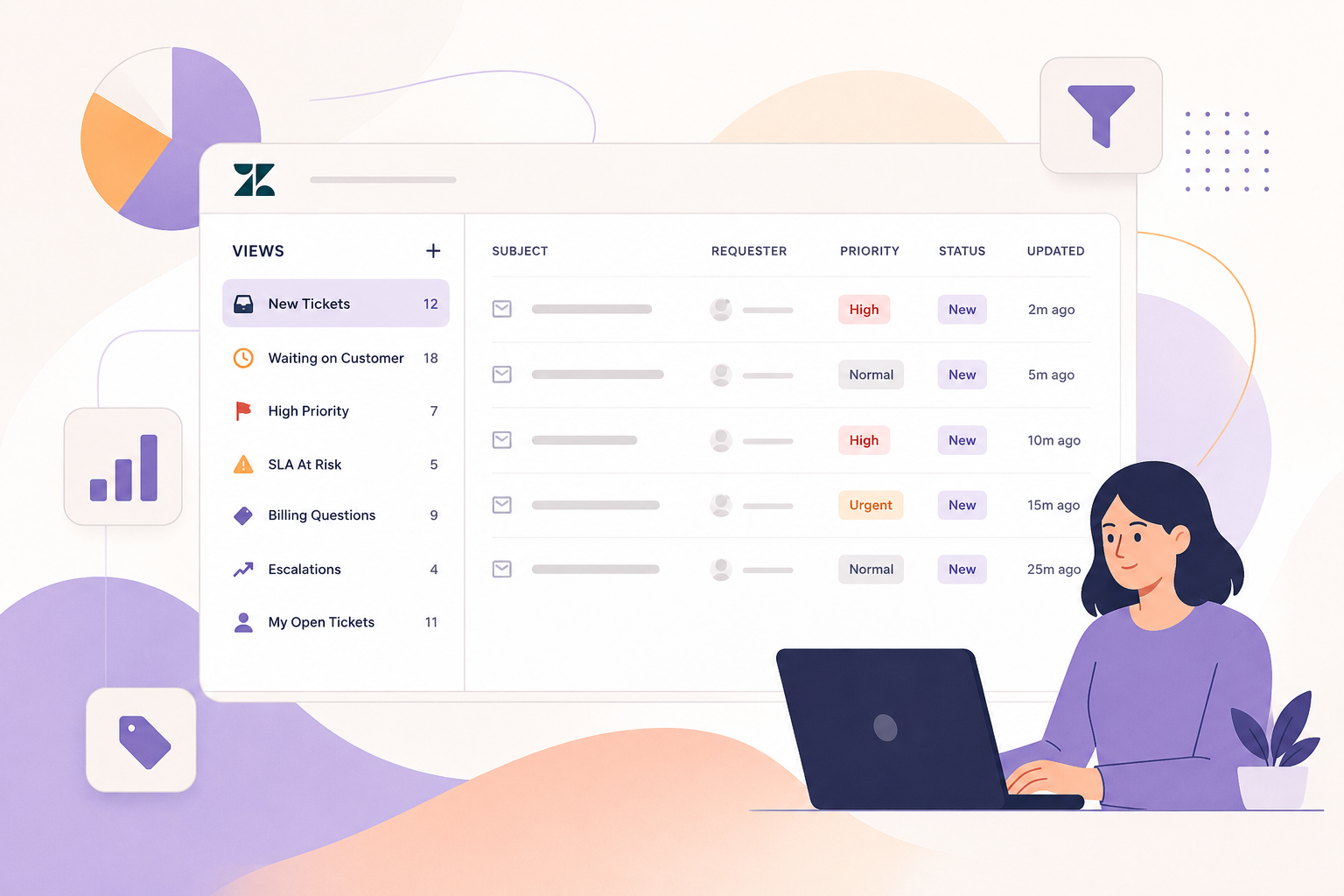
We often see instances where multiple administrators have made well-meaning updates over time. Each change solved a short-term need, but no one stepped back to evaluate how everything worked together. The result is overlapping triggers, outdated custom fields, duplicated views, and reporting that requires manual cleanup in spreadsheets before it can be shared with leadership.
The system still “works.” But it’s inefficient. And more importantly, it’s untrusted.
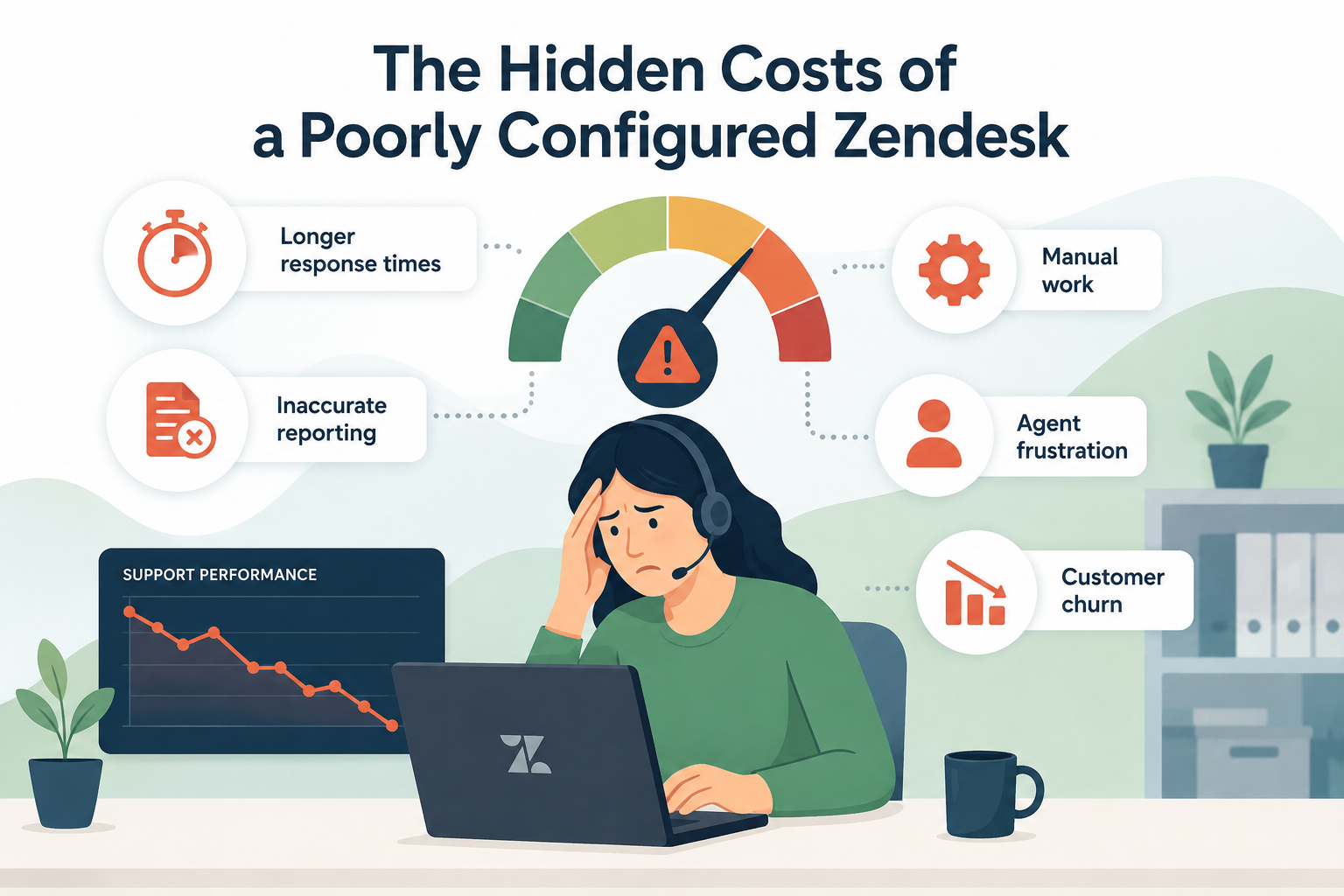
Agents begin relying on Slack messages instead of internal notes. Managers hesitate to commit to performance metrics because the data feels inconsistent. Leadership questions the ROI of the support organization, not because the team isn’t performing, but because the infrastructure isn’t telling a clear story.
That’s when incremental fixes stop being enough.
Why a Structured Rebuild Changes Everything
When teams reach out to SupportPie, they often assume they just need cleanup. Delete a few triggers. Simplify some views. Maybe reorganize reporting.
But a true transformation requires stepping back and asking bigger questions:
- What are your business goals?
- What metrics actually matter?
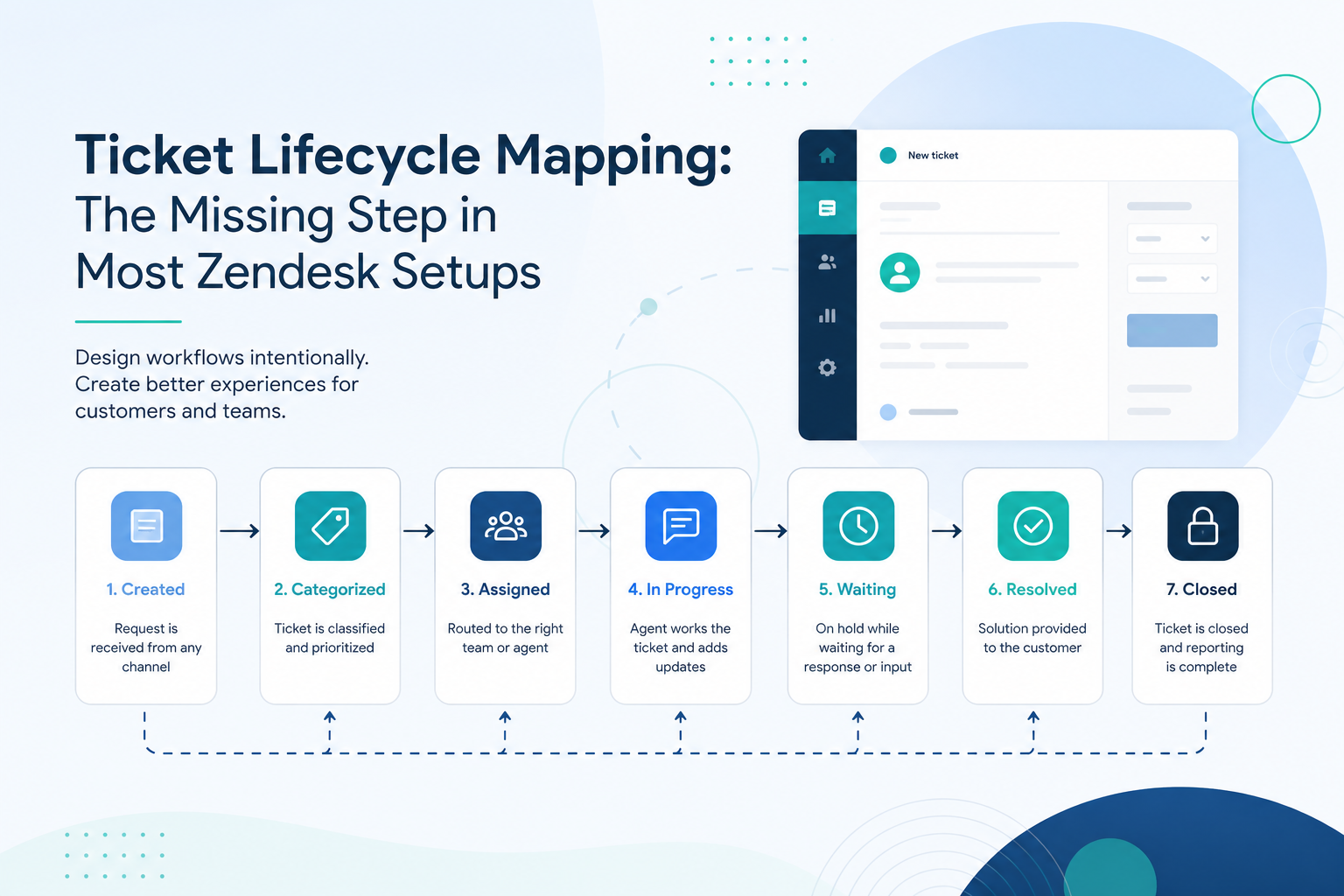
- How should tickets flow through the organization?
- What data is required to make confident decisions?
A rebuild isn’t about starting from scratch. It’s about rebuilding with intention.
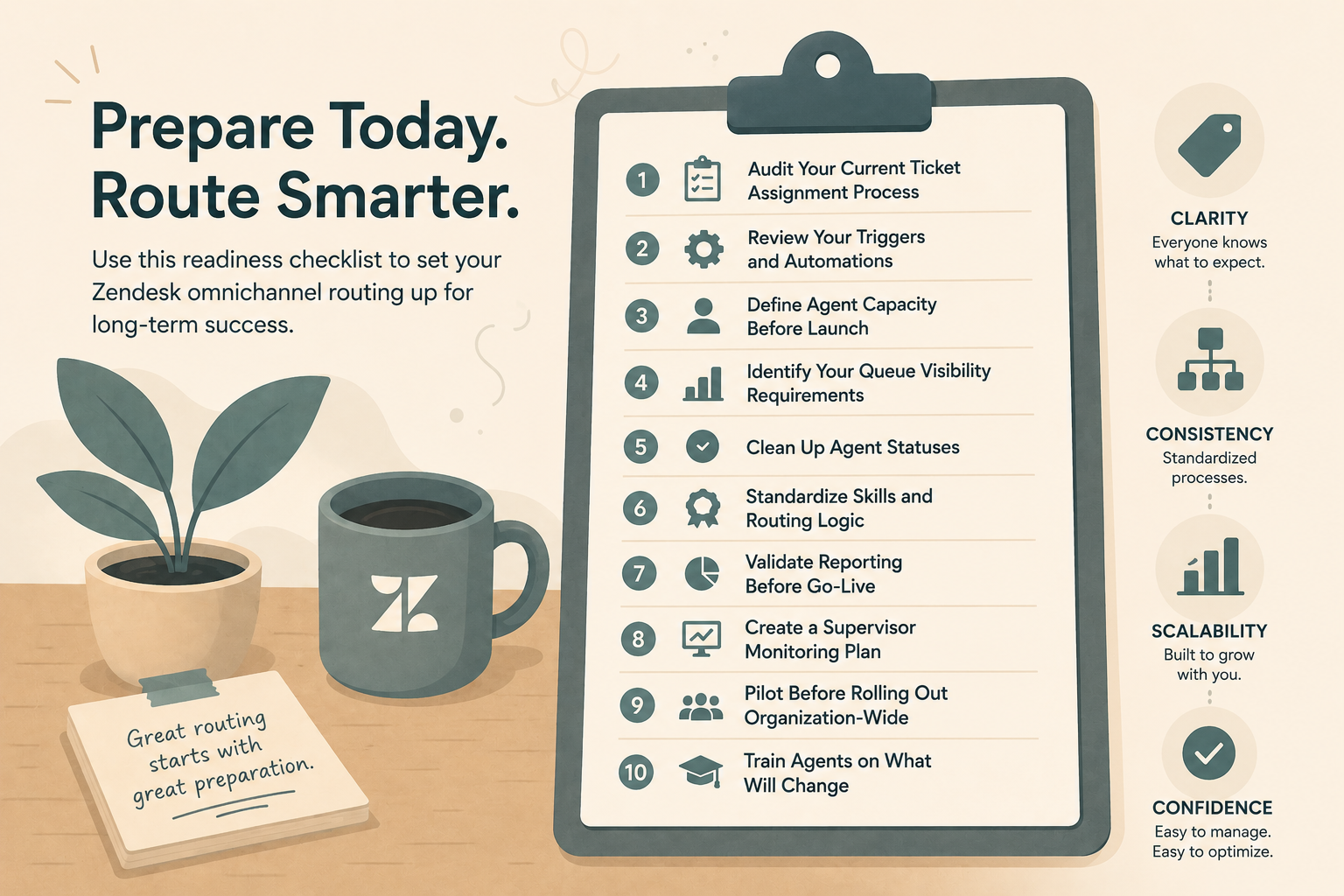
We begin with a deep audit of workflows, forms, fields, automations, SLAs, and reporting structures. This phase usually reveals that the issue isn’t ticket volume, it’s structural misalignment. Forms don’t reflect real customer journeys. Fields capture data no one uses. Automations conflict with routing logic. Reporting dashboards rely on inconsistent field usage.
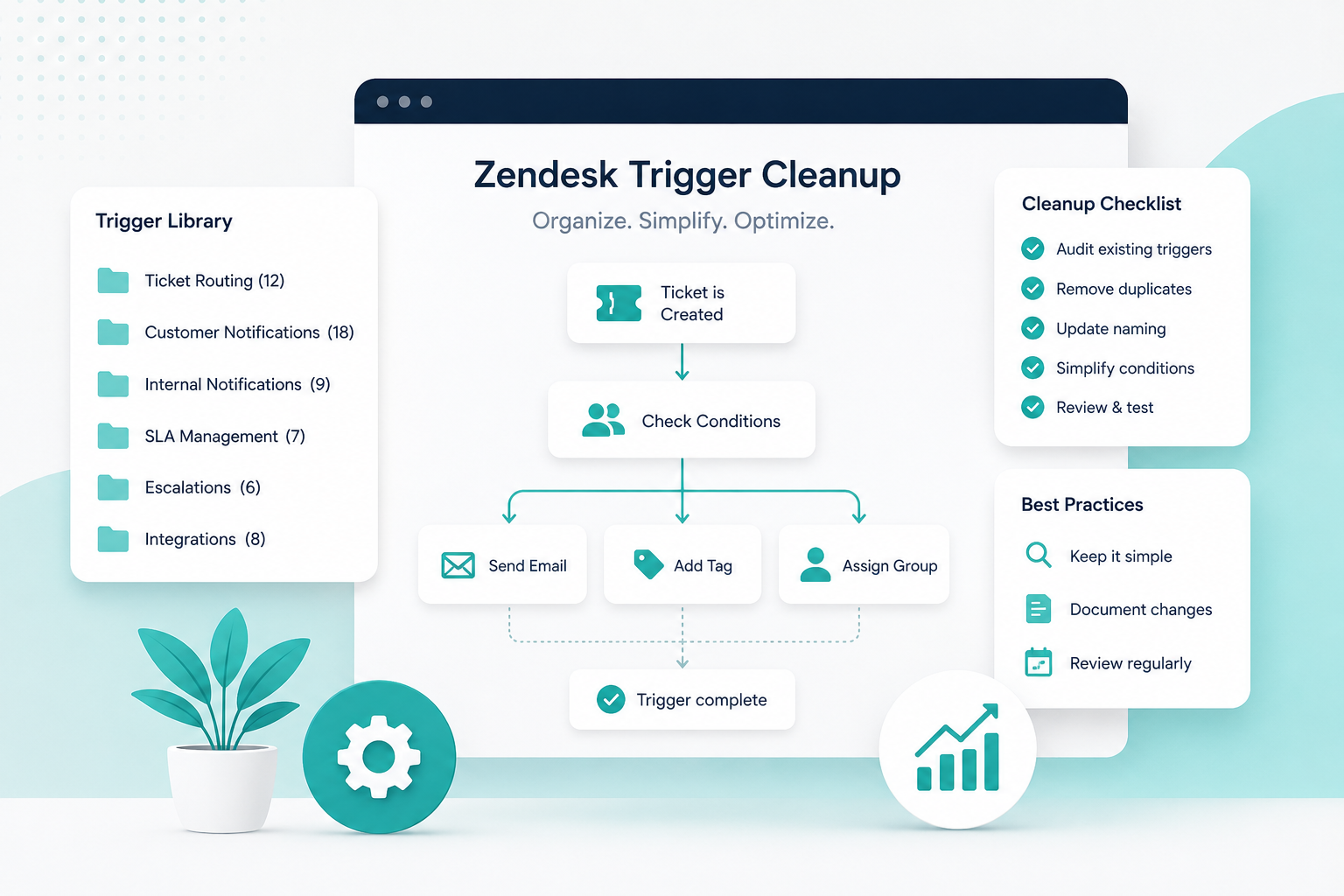
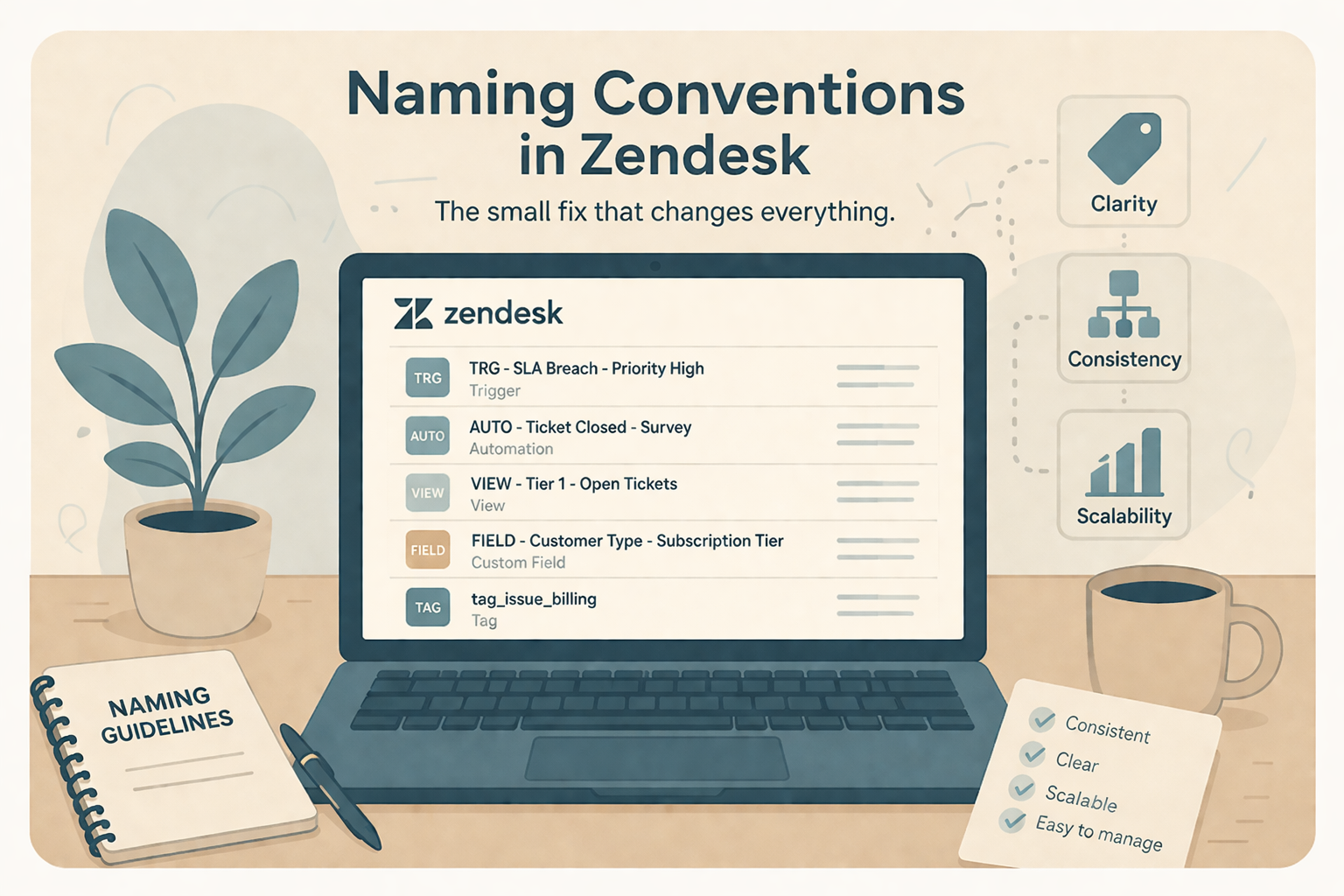
Once those gaps are clear, we redesign the information architecture. Ticket forms are simplified and aligned to real workflows. Custom fields are standardized and clearly defined. Tagging conventions are cleaned up. Triggers and automations are documented and streamlined so each serves a specific purpose.
Suddenly, workflows feel lighter. Routing makes sense. SLAs align to actual expectations instead of legacy configurations.
And reporting, perhaps the most visible pain point, becomes reliable again.
The Ripple Effect on Agent Efficiency
The biggest shift after a rebuild isn’t just cleaner dashboards. It’s how the system feels to agents.
When forms are intuitive and workflows are predictable, agents stop second-guessing which path to take. When automations support their work instead of overriding it, they move faster. When data fields are clear and consistent, reporting no longer feels like a compliance exercise, it becomes a tool for improvement.
We regularly see measurable improvements in first response time, SLA compliance, and overall resolution speed after a structured rebuild. But just as important is the cultural impact: agents trust the system again.
And when agents trust the system, they use it correctly.
Leadership Gains Clarity, Too
From a leadership perspective, a rebuilt Zendesk instance changes the conversation entirely.
Instead of debating which report is accurate, teams focus on performance trends. Instead of exporting data into spreadsheets to “fix” inconsistencies, managers use Zendesk reporting with confidence. Instead of reacting to problems, leaders can forecast, plan capacity, and identify growth opportunities.
Zendesk shifts from being “the ticketing tool” to being a strategic operations platform.
When Is It Time to Rebuild?
You don’t have to wait for a crisis to consider a rebuild. It may be time if you’ve scaled quickly in the past year, added new channels without redesigning workflows, or inherited an instance that’s been modified by multiple admins over time.
A messy Zendesk instance isn’t a sign of failure. It’s often a sign of growth.
But growth without structure creates friction.
From Chaos to Clarity
The difference between chaos and clarity isn’t more automation. It’s intentional architecture.
At SupportPie, we help teams rebuild their Zendesk environments so reporting is trustworthy, workflows are streamlined, and agents can focus on what matters most: delivering exceptional customer experiences.
Because Zendesk shouldn’t feel complicated.
It should feel clear.