Bots are everywhere. When used well, they can dramatically improve response times, reduce agent workload, and create a smoother customer experience. When used poorly… they become the reason customers type “AGENT. HUMAN. NOW.” in all caps.
At SupportPie, we see both sides of the bot equation every day. Let’s break down when bots genuinely help, and when they actively hurt your CX.
Why Bots Exist (and Why That’s Not a Bad Thing)
Bots aren’t the enemy. In fact, they’re incredibly effective when they’re designed with clear intent.
Good bots:
- Answer simple, repetitive questions instantly
- Guide customers to the right place faster
- Reduce ticket volume so agents can focus on complex issues
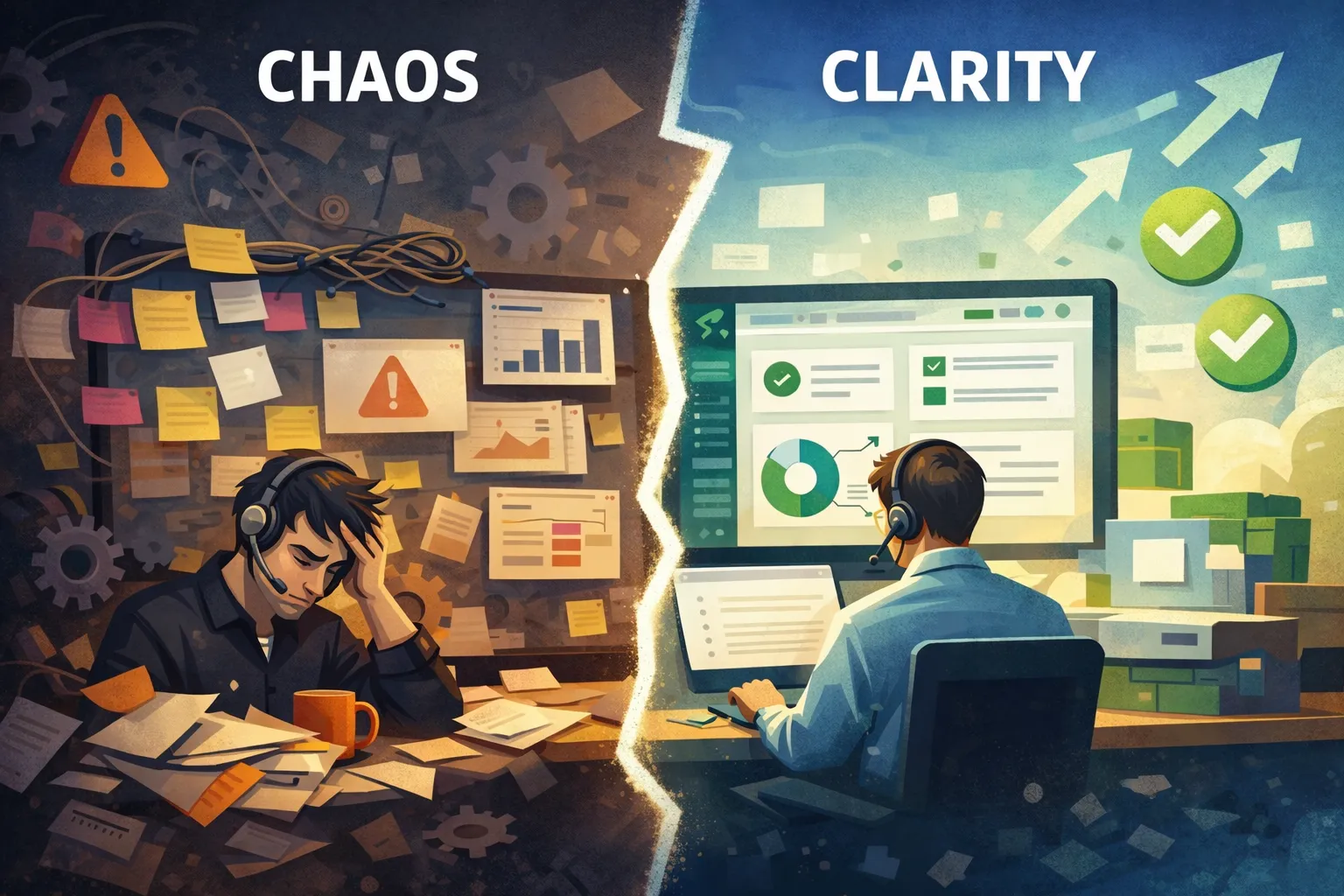
Bad bots:
- Block customers from real help
- Ask irrelevant questions
- Loop endlessly without resolution
The difference isn’t the bot itself, it’s how and why it’s implemented.
When You Should Use Bots
Bots work best when they handle low-effort, high-volume interactions. These are moments where speed matters more than nuance.
Great bot use cases include:
- Order status or shipping updates
- Password resets or account access help
- Business hours, policies, or FAQs
- Routing customers to the correct team
- Capturing basic information before handing off to an agent
In Zendesk, bots shine when paired with:
- Clear intent mapping
- Well-structured help center content
- Smart handoffs to live agents
When bots reduce friction and save time, customers actually like them.
When You Shouldn’t Use Bots
Where teams get into trouble is trying to make bots do too much, or worse, using them as a gatekeeper.
Bots should NOT be used for:
- Complex troubleshooting
- Emotional or sensitive issues
- Billing disputes or cancellations
- Situations where context really matters
- Replacing agents instead of supporting them
If a customer has already tried self-service and reached out anyway, forcing them through a rigid bot flow often feels dismissive. This is where bot overuse starts damaging trust.
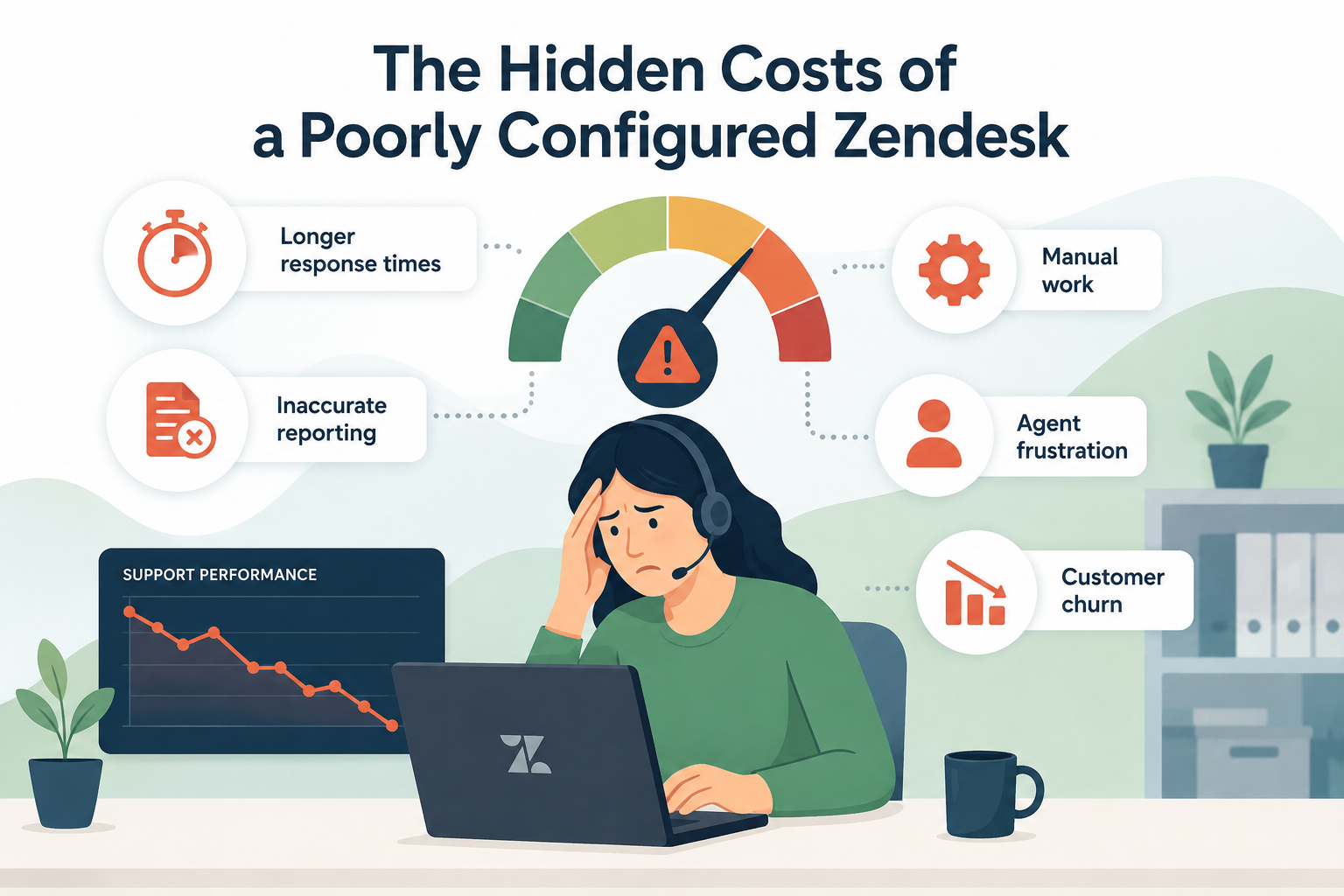
The Hidden Cost of Poor Bot Design
A bad bot doesn’t just fail, it creates extra work.
We often see:
- Higher reopen rates
- Increased escalations
- Longer resolution times
- Frustrated agents fixing preventable issues
- Customers abandoning conversations entirely
In other words, a poorly designed bot can cost more than having no bot at all.
How to Get Bots Right
If you’re going to use bots, use them intentionally.
At SupportPie, we recommend:
- Designing bots around real customer data, not assumptions
- Making escalation easy and obvious
- Testing bot flows regularly (especially after product changes)
- Measuring success beyond deflection, look at CSAT, containment, and resolution quality
- Treating bots as part of the CX journey, not a wall customers have to climb
Bots should feel like a helpful guide, not a locked door.
The Bottom Line
Bots are powerful, but only when used thoughtfully.
Used well, they:
✔ Improve response times
✔ Reduce agent burnout
✔ Create smoother customer journeys
Used poorly, they:
✖ Increase frustration
✖ Damage trust
✖ Cost teams more in the long run
If you’re not sure whether your bots are helping or hurting, that’s usually a sign it’s time for a closer look.
Need a Bot Reality Check?
SupportPie helps teams design, audit, and optimize Zendesk bots that actually improve customer experience, without sacrificing human connection.
If you’re ready to turn your bots into a competitive advantage (instead of a CX liability), let’s talk.
🥧 Because great support should feel helpful, not automated for automation’s sake.